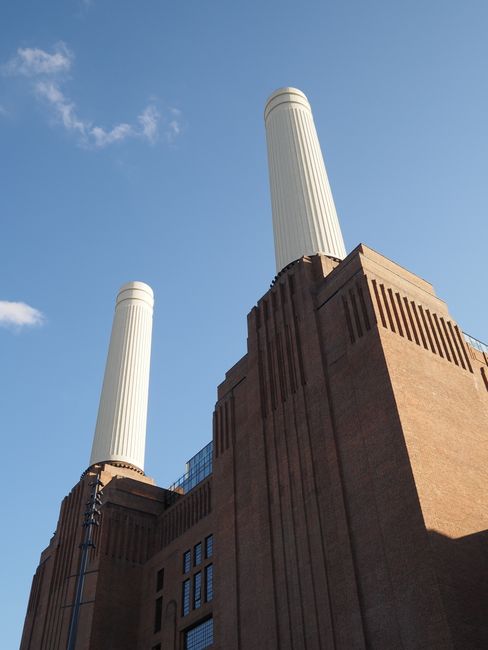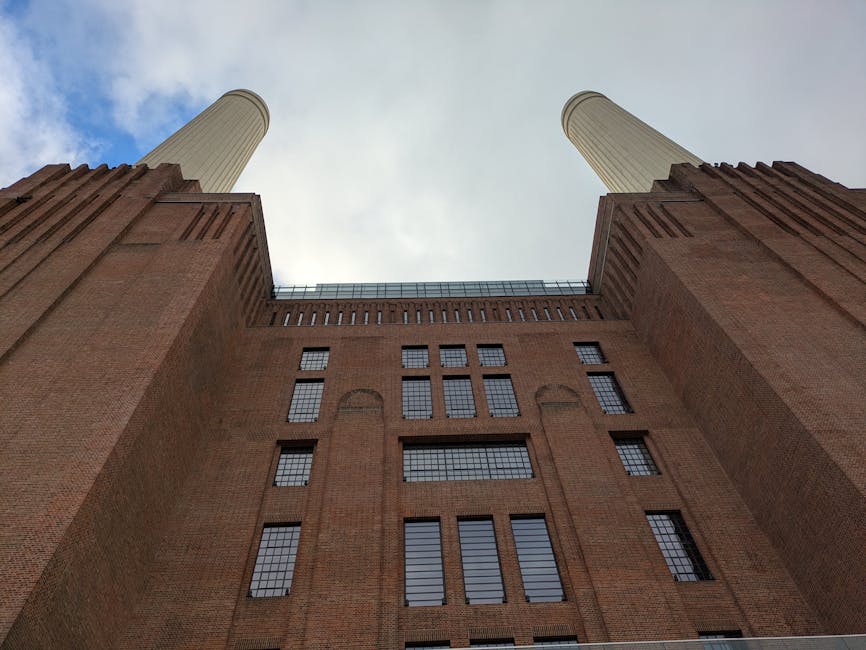
Battersea Power Station waste removal rules in Wandsworth: a practical guide for homes, sites and businesses
If you are planning waste removal around Battersea Power Station, the details matter more than people often expect. The area is busy, tightly managed, and full of moving parts: residential streets, construction activity, commercial premises, and shared access routes that can be awkward even on a quiet day. Battersea Power Station waste removal rules in Wandsworth are there to keep things safe, legal and workable for everyone on site and in the street.
This guide breaks down what usually applies, why it matters, and how to choose the right disposal method without tripping over permits, access issues, or restricted waste types. Whether you are clearing a flat, managing a fit-out, handling builders' waste, or just trying to get a load of rubble out without drama, you will find a plain-English route through it here. And yes, some of the rules can feel a bit fussy. But they save hassle later, which is the point really.
Why Battersea Power Station waste removal rules in Wandsworth Matters
Battersea Power Station sits in one of the most visible, high-traffic parts of south west London. That means waste cannot just be dropped anywhere, left too long, or collected in a way that blocks roads, footways or shared access points. In practical terms, the rules are about three things: safety, access, and accountability.
Safety is the obvious one. Loose waste, overloaded containers, and badly placed skips can create trip hazards, obstruct emergency access, or make loading unsafe for workers and residents. Access matters because this part of Wandsworth often has narrow roads, timed deliveries, managed estates, and busy pedestrian routes. Accountability matters because waste producers in the UK have duties around where waste goes and who handles it. If a load is fly-tipped after collection, the trail can come back to the wrong person very quickly. Not ideal. Not at all.
There is also a reputational side. Around major developments like Battersea Power Station, waste management is often visible to neighbours, landlords, contractors, building managers and visitors. A neat, compliant setup makes the whole project look more organised. A messy one tends to attract complaints, delays and, on a bad day, a call from the people who really do not want one more obstruction outside their entrance.
For anyone comparing disposal choices, it helps to understand the local context. A standard skip hire arrangement may be perfect for some loads, but in tighter spots you may need a permit, a wait-and-load approach, or even a more direct service such as grab hire services. The right answer depends on access, waste type, volume, and how quickly it needs to go.
How Battersea Power Station waste removal rules in Wandsworth Works
In practice, waste removal around Battersea Power Station usually starts with one question: can the waste be stored on-site temporarily, or does it need to be removed immediately? Once you answer that, the rest becomes clearer.
If waste can be kept on private land, a container, skip or enclosed bin may be possible. If it needs to sit on a road or pavement, you may need permission and the setup must not cause an obstruction. If the area is too constrained for a static container, a fast collection method such as wait and load skip hire can be far more practical. It is exactly the sort of option people overlook until they realise there is nowhere sensible to place a skip.
The waste itself is just as important as the collection method. General mixed waste, clean inert builders' waste, green waste, bulky items and confidential materials all need different handling. Hazardous or specialist items must be separated before collection. For example, you should never mix questionable chemicals, asbestos-containing materials, batteries, gas canisters, oils or clinical waste into an ordinary load. If in doubt, use a dedicated route such as hazardous waste disposal and get advice before the material leaves the site.
There is also the question of what can go in a skip at all. The safest habit is to check the acceptable materials before ordering anything. The page on what can go in a skip is useful because it helps people avoid the classic mistake of filling a container first and asking questions later. That usually ends in refusal, extra charges, or an awkward repack on a wet Tuesday morning. Nobody wants that.
Collection timing matters too. Around Battersea Power Station, movements often need to be coordinated with other trades or building management. A same-day turnaround can be useful when a site needs to clear quickly, but only if the access window is realistic. If you are working on a time-sensitive job, same-day skip hire or a scheduled man-and-van style collection may be the better fit.
Key Benefits and Practical Advantages
Following the rules is not just about avoiding problems. It actually makes projects run better.
- Fewer delays: A compliant setup reduces the chance of rejected collections, permit issues, or complaints from neighbours and site managers.
- Better safety: Clear loading areas, separated waste types and the right container reduce the risk of trips, spills and manual handling injuries.
- Cleaner site presentation: Particularly around a landmark location like Battersea Power Station, a tidy waste arrangement helps the whole job look well managed.
- More predictable costs: When waste is sorted properly, you are less likely to pay for avoidable re-handling or emergency call-outs.
- Improved recycling outcomes: Separating reusable or recyclable material supports more responsible disposal. If sustainability matters to your project, take a look at recycling and sustainability.
There is also a simple human benefit: less friction. Fewer awkward phone calls. Fewer last-minute adjustments. Less standing in a corridor with a clipboard wondering where the pallet of timber is meant to go. In my experience, good waste planning is one of those unglamorous details that saves the day quietly.
Who This Is For and When It Makes Sense
This topic affects more people than you might think. It is not only for big contractors with hard hats and site boards.
Property owners and landlords need it when clearing flats, handling refurbishment waste, or arranging a one-off clearance. Domestic skip hire can be suitable for larger household projects, while house clearance may be the better option for bulky mixed items.
Builders and tradespeople need it when handling rubble, timber, plasterboard, packaging, and demolition debris. For that, pages like builders waste removal and construction waste disposal are relevant because construction waste has its own practical requirements.
Commercial tenants and facilities teams need it when clearing fit-out materials, office contents, or ongoing operational waste. If your job is more business-oriented, commercial skip hire and office clearance are usually worth considering.
Contractors working on large-scale projects need a plan for heavy volumes, soil, hardcore, or demolition rubble. In those cases, demolition waste removal, construction waste clearance and muck away services may make more sense than a standard bin.
If you only have a small amount of waste and the area is tight, do not force the issue with a full-size container just because it seems simpler. Sometimes a smaller skip size and price choice, or even a direct collection, is the sensible move. Common sense still wins, thankfully.
Step-by-Step Guidance
If you want to handle Battersea Power Station waste removal rules in Wandsworth without guessing, use this process.
- Identify the waste type. Separate general waste, construction waste, bulky items, green waste, confidential paper, WEEE items and anything potentially hazardous.
- Check access. Ask whether a skip can be placed on private land, whether the street is suitable, and whether loading space exists for a vehicle.
- Decide on the disposal method. Compare skip hire, wait-and-load, grab hire, man and van collection, or a specialised service based on the site layout.
- Confirm permit needs. If a skip or container must be placed on public highway land, review the permit route first. The dedicated skip hire permits and skip permits pages are useful starting points.
- Book the right size and timing. Choose a collection window that fits the site. If your work happens fast, same-day or rapid collection may be useful.
- Load safely and sensibly. Keep heavy items low, do not overfill, and keep prohibited materials out.
- Arrange collection or exchange. Make sure someone is available to sign off access, handover, or loading if required.
- Keep paperwork and records. For business or contractor work, retain transfer notes and any other documentation you are given.
That sounds simple on paper. On site, of course, there is usually one missing parking bay, one late delivery and one person who thought the skip could fit "just there" by the entrance. Still, a structured plan gives you something solid to work from.
Expert Tips for Better Results
A few small habits make a big difference around this part of Wandsworth.
- Pre-sort before collection. Mixed waste is often acceptable, but cleaner separation is usually faster and easier to handle.
- Use enclosed storage for sensitive loads. If you have office materials, documents or confidential items, consider confidential shredding rather than leaving papers mixed in with general rubbish.
- Choose the right container type. If security is a concern, an enclosed and lockable skip hire option may suit better than an open skip.
- Account for bulky waste separately. Appliances, sofas and mattresses usually need specific handling. See fridge and appliance removal and mattress and sofa disposal.
- Think about recycling from the start. A cleaner load is easier to route through the right recovery process. If you can separate wood, metal, cardboard and inert waste early, do it.
One practical thing people forget: the best option is not always the cheapest on paper. A slightly more expensive service can be cheaper overall if it avoids permit delays, parking fines, wasted labour or a failed collection. That is where the real calculation lives.
Common Mistakes to Avoid
Most problems come from a handful of avoidable errors.
- Assuming all waste can be mixed together. It cannot. Hazardous or specialist items need separate handling.
- Ordering a skip without checking access. Battersea streets can be awkward. Measure first, guess later is a bad strategy here.
- Leaving permit checks too late. If the container will sit on the road, sort permission before booking the job, not after the lorry has arrived.
- Overfilling containers. Overfilled skips may be refused, especially if items rise above the rim or create unsafe loading conditions.
- Ignoring fragile timing constraints. If the area has managed access or limited delivery windows, an unplanned arrival can cause problems fast.
- Forgetting specialist items. Paint tins, fridges, batteries, fluorescent tubes and similar items often need specific treatment.
Truth be told, most of these mistakes happen because people are trying to move quickly. That is understandable. But a five-minute check now saves a lot of back-and-forth later. Better to be slightly cautious than annoy half the street with a half-planned removal.
Tools, Resources and Recommendations
You do not need a complicated toolkit to manage waste well, but a few practical resources help.
- A simple waste inventory: list the material type, approximate volume, and whether it is reusable, recyclable or restricted.
- Basic site measurements: width, length, kerb access and turning space can decide the whole collection method.
- Photo records: a few clear images of the waste pile make quoting and planning much easier.
- Service comparison: compare skip hire, grab lorry hire, man and van, and rubbish removal based on the site, not on habit.
- Budget planning: review pricing and quotes early so the disposal cost is not a surprise halfway through the project.
If you are new to waste planning, the most useful support page is often the simplest one: what can go in a skip. It helps you avoid accidental contamination and makes the whole operation cleaner from the start.
For sustainability-minded projects, waste recycling services and recycling and sustainability are worth reviewing before disposal decisions are finalised.
Law, Compliance, Standards, or Best Practice
This article is not legal advice, but it is sensible to work from accepted UK waste-handling practice. In general, the key duties are straightforward: the waste should be stored safely, transported by a properly authorised carrier, and taken to an appropriate facility. The producer of the waste should also keep a sensible record trail, especially for business or contractor work.
When waste is being placed on a road or pavement, permission may be required. When waste is controlled by a building manager or estate operator, local site rules may apply as well. And if the load includes restricted or hazardous items, it should be dealt with separately. That is the non-negotiable bit.
Best practice usually means:
- separating hazardous materials before collection;
- using the right container for the waste type;
- checking access, loading and parking restrictions in advance;
- keeping waste transfer paperwork where relevant;
- choosing a waste route that supports recycling where possible.
For contractors, construction teams and commercial operators, this is not just neatness for its own sake. Good records and careful segregation reduce risk and make handovers much smoother. That is especially useful in a dense, high-profile area like Battersea Power Station where everyone seems to be working to a timetable that is, frankly, already tight enough.
Options, Methods, or Comparison Table
Choosing the right method depends on access, volume and waste type. Here is a practical comparison.
| Method | Best for | Strengths | Watch-outs |
|---|---|---|---|
| Skip hire | Medium to large mixed loads, renovation waste, builders' waste | Convenient for ongoing loading, good for phased clearances | May need a permit if placed on the public road; access can be tricky |
| Wait and load | Areas with limited storage or no room for a static container | Fast, flexible, avoids leaving a skip in place | Requires coordinated loading and a clear handover window |
| Grab hire | Heavy waste, soil, rubble, bulky mixed material | Handles large volumes efficiently; helpful where access allows | Needs vehicle access and a workable collection point |
| Man and van | Smaller one-off clearances, bulky items, lighter mixed waste | Personal service, useful for awkward or modest loads | Not ideal for very heavy or very large construction waste |
| Specialist removal | Appliances, mattresses, confidential items, hazardous waste | Handles restricted items properly and safely | Usually needs item-by-item planning |
If you are unsure, start with access and waste type. Those two factors usually point you to the right method surprisingly quickly.
Case Study or Real-World Example
A recent-style example: imagine a small contractor working on a fit-out near Battersea Power Station. They have plasterboard offcuts, timber, packaging, some old fixtures, and a short window to clear the space before another trade arrives the next morning.
At first glance, a standard skip sounds fine. But the loading area is tight, the building manager has strict access timing, and there is no sensible place to leave a container overnight. In that situation, a wait-and-load arrangement may be the simplest option. The waste can be loaded quickly, removed promptly, and the site stays clear for the next crew.
Now imagine a different scenario: a flat refurbishment with a few bulky items, some broken furniture and general household waste. There is private access, but the street is already busy. A smaller domestic skip or a man-and-van style collection may be easier than trying to manage a large container. On another job, where the material is mostly rubble and soil, grab hire may be the cleaner answer.
The lesson is simple enough: the right method depends less on habit and more on layout. Once you look at access, volume and restrictions together, the decision becomes much clearer.
Practical Checklist
Use this before you book anything.
- Have you identified the exact waste type?
- Do any items need specialist handling, such as batteries, fridges, chemicals or confidential papers?
- Have you measured the access point and loading space?
- Will any container sit on public land and therefore need permission?
- Have you compared skip sizes and prices if you are considering a skip?
- Is your collection window realistic for the site or building rules?
- Do you need a security-focused solution such as an enclosed container?
- Have you planned for recycling and separation where possible?
- Will someone be available to oversee loading or handover?
- Have you checked the provider's service details, including health and safety policy and insurance and safety information?
If you can tick most of those off, you are already ahead of the pack.
Get a free quote today and see how much you can save.
Conclusion
Battersea Power Station waste removal rules in Wandsworth are really about keeping a busy, high-profile area safe, tidy and workable. The more constrained the access, the more important it becomes to match the right waste method to the right site conditions. That usually means thinking ahead about permits, waste type, loading space, collection timing and whether you need a specialist route for restricted items.
Do that, and the whole process becomes much easier. You avoid the classic headaches, keep the site moving, and make life simpler for everyone around you. And if one thing is worth remembering, it is this: waste planning is never glamorous, but it quietly protects the rest of the project. That counts for a lot.
When you are ready, a calm, well-planned removal is always better than a rushed one. Usually by a long way.
Frequently Asked Questions
Do I need a permit for waste removal near Battersea Power Station?
It depends on where the container or skip will sit. If it is on private land, you may not need a permit. If it is placed on a public road or pavement, permission is usually required. Always check the access plan first.
What is the safest option if there is no room for a skip?
A wait-and-load service is often the most practical choice in tight areas. It allows the waste to be loaded and removed without leaving a container behind.
Can I put mixed builders' waste in one container?
Often yes, but only if the waste is allowed and the container is suitable. Keep hazardous or specialist materials separate, and check the acceptance rules before loading starts.
What items are usually restricted or prohibited?
Common restricted items include asbestos-containing waste, batteries, chemicals, gas cylinders, oils, clinical waste and sometimes electrical items. Always check before disposing of anything uncertain.
Is grab hire better than skip hire in Wandsworth?
Neither is automatically better. Grab hire is useful for heavy, bulky or loose loads where vehicle access works well. Skip hire is often better for ongoing loading over several days. The site layout decides it more than anything else.
How do I choose the right skip size?
Start with a rough estimate of the waste volume, then factor in the type of material and the space available for delivery. If you are unsure, it is usually better to ask for guidance than to overcommit to a size that does not fit the site.
Can I dispose of a fridge or mattress in a standard load?
Not usually without checking first. Fridges, mattresses and sofas often need separate handling or specific removal services, especially if the collection method is a standard skip.
What should businesses keep as proof of compliant disposal?
Businesses should keep transfer notes or equivalent records for waste collections where relevant. It is a sensible way to show that waste was handled properly.
How quickly can waste be removed from around Battersea Power Station?
That depends on access, the type of waste and the chosen service. Some collections can be arranged quickly, while larger or more complex jobs need a little more coordination.
Is confidential shredding worth it for a small office clear-out?
Yes, if you are disposing of documents with personal or sensitive information. It reduces risk and is usually easier than trying to manage paper waste informally.
What is the best option for construction rubble and hardcore?
Construction rubble and hardcore are often better handled through builders' waste services, construction waste disposal, or grab hire, depending on volume and access.
Who should I contact if I am not sure what service I need?
Start with the provider's service information and quote process. Pages such as pricing and quotes and contact us can help you narrow down the right option without guesswork.